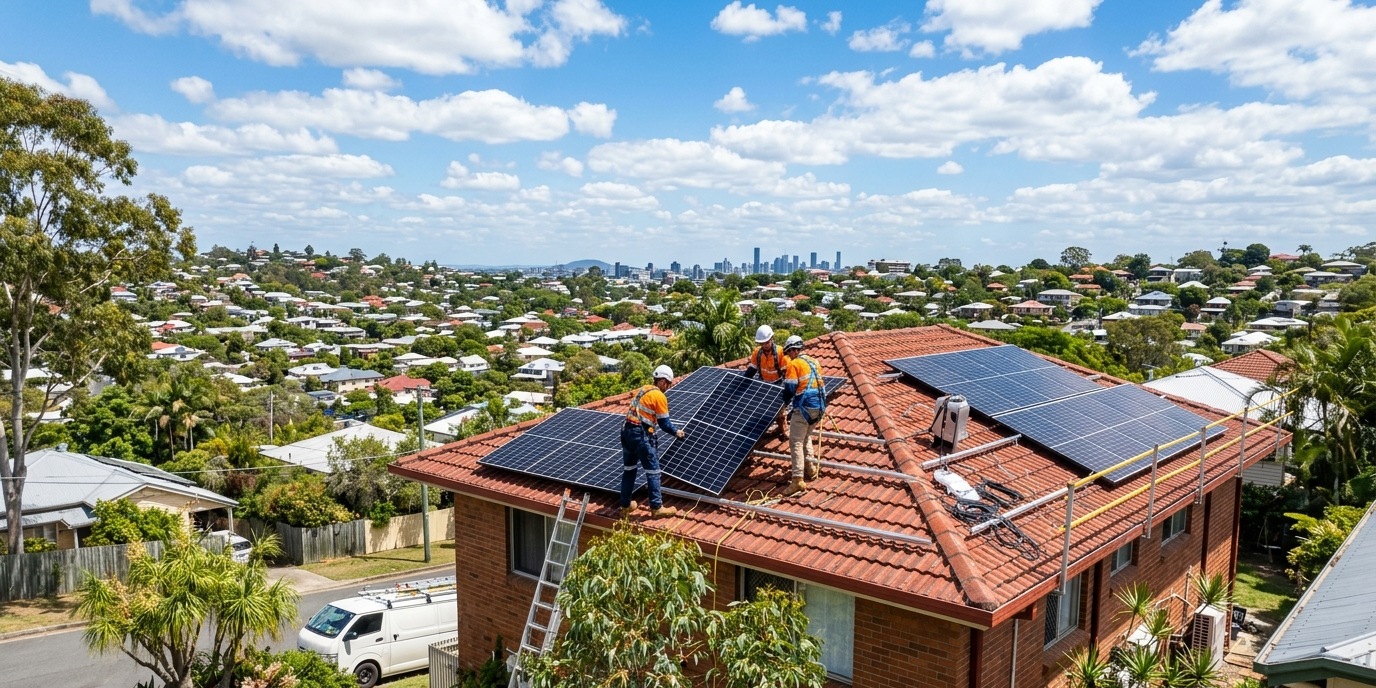
Solar installers face extreme phone surges when government rebate deadlines approach — STC incentive changes, state feed-in tariff adjustments, or new home battery subsidies create concentrated demand windows. Businesses with answering capacity during these surges capture disproportionate market share; those without miss the best leads of the year.
Australian solar incentives have a well-documented demand effect. When the federal government announces STC (Small-scale Technology Certificate) deeming period reductions, or when a state government introduces or changes a battery storage rebate program, enquiry volume for solar installers spikes within days. The homeowners most motivated to act are those who understand the incentive mechanics — they're typically educated, financially capable, and ready to commit quickly. These are the best possible leads, and they're concentrated in a narrow window.
The problem for solar installers is that these surges are partly predictable but operationally overwhelming. An installer who receives 15 enquiry calls on a typical day might receive 80 on the day after a rebate announcement. Without additional phone capacity, the vast majority of those 80 calls go unanswered or face long hold times — and high-intent callers with a deadline will immediately call the next installer on their list.
What Solar Rebate Triggers Create the Biggest Phone Surges?
The largest Australian solar phone surges are associated with: annual STC deeming period reductions (January 1 each year), state battery rebate program launches (Victoria, SA, ACT, NSW have all run these), feed-in tariff changes, and media coverage of rising electricity prices. The January STC deadline is the most predictable — solar installers who prepare phone capacity in October–December capture disproportionate December demand as homeowners race to beat the incentive reduction.
State-specific programs create regional surges that are less predictable in timing but intense in volume. Victorian Solar Homes program announcement days have historically generated 5–10x normal call volumes for Melbourne solar installers within 48 hours. Businesses with surge-ready phone coverage capture this demand; businesses without it miss the wave entirely.
How Should Solar Businesses Structure Their Phone System for Rebate Surges?
Year-round overflow answering with a surge protocol is the most resilient structure. The answering service handles standard call volume at base rates, with the ability to scale to full coverage (no calls going unanswered) when a surge event is identified. The surge protocol is activated by the business owner — "we have a rebate deadline coming, please handle all calls for the next 3 weeks" — and the service scales accordingly.
Solar enquiry scripts for rebate-driven calls should capture: property type (house, apartment, rental), current electricity bill and grid provider, roof type and orientation, whether the customer has a battery interest, and the specific rebate or incentive they've heard about. This qualification information allows the installer to prioritise callbacks by job value and lead quality, rather than returning calls in the order received.
Should solar installers offer callbacks or same-day phone answering for rebate enquiries?
Both, at different stages. Live answering captures the initial call and captures qualifying information. A committed callback within 4 hours — not same-day, a specific time — converts high-intent callers who know their timeline. Saying "we'll have one of our solar advisors call you between 3–4pm today" is more effective than "we'll call you back soon."
How do solar businesses handle the post-surge booking backlog?
Backlog management is a communication challenge. Customers who booked during a surge need regular status updates — installation timelines, equipment delivery status, grid connection application progress. A proactive outbound communication system (SMS or email updates at defined milestones) reduces inbound chase calls that consume the same phone capacity the business needs for new enquiries.
What's the average value of a solar installation lead captured during a rebate window?
Residential solar system installations in Australia average $7,000–$12,000 depending on system size and battery inclusion. With STC incentives and state rebates, net cost to the homeowner can be $4,000–$8,000. Installer margins on these jobs are typically 25–35%. A single captured lead during a rebate surge is worth $1,750–$4,200 in gross profit — against which any answering service cost is trivial.
Capture every solar enquiry during the next rebate window — talk to CallSorted →