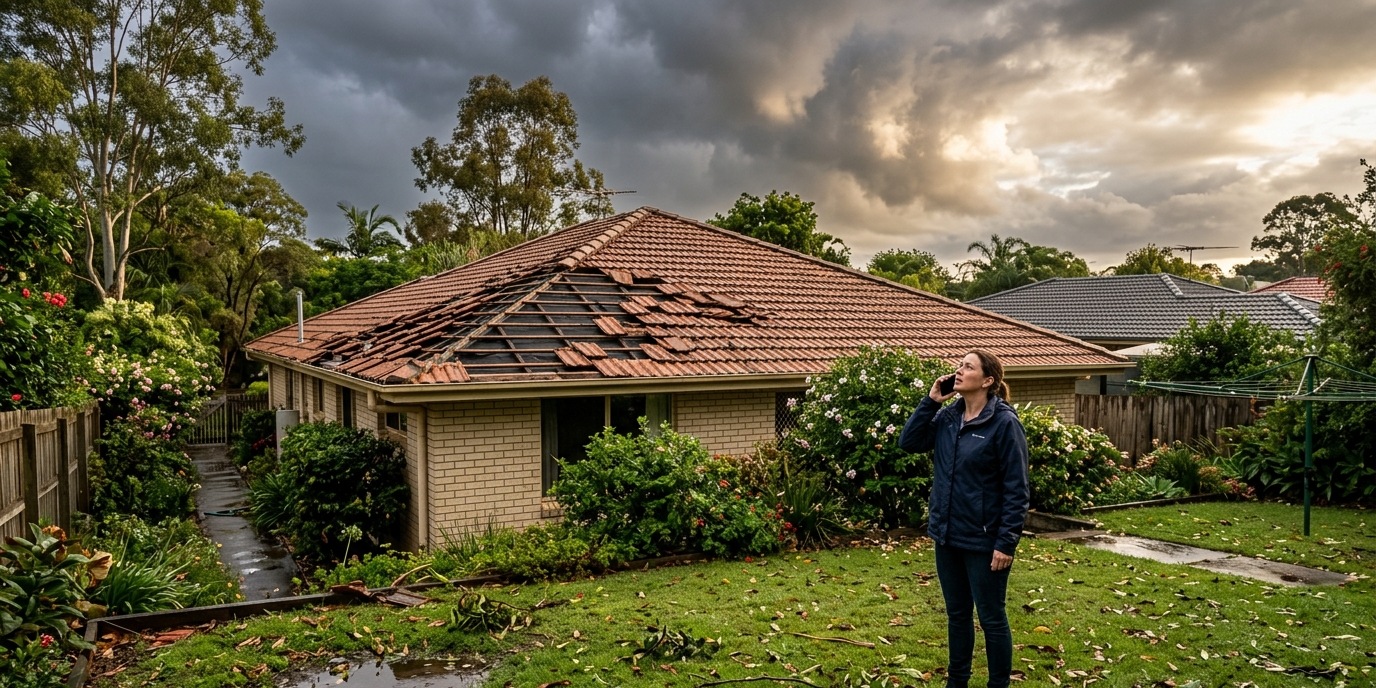
Roofers experience dramatic call surges after storms — 10–20x normal call volume in the first 48 hours. Without answering capacity, these high-value emergency jobs go to competitors who answer. A surge-ready phone answering service captures every post-storm call and builds a waitlist that generates revenue for weeks.
A severe hailstorm in suburban Sydney, Melbourne, or Brisbane can generate thousands of residential roof damage claims within hours. The roofing businesses that respond fastest capture the highest share of this demand — and that share is enormous. A single storm event can generate 3–6 months of work for a roofing business with the capacity to capture the enquiries. The critical bottleneck isn't labour capacity in the first 48 hours — it's phone capacity.
Homeowners who discover storm damage to their roof don't browse leisurely. They call multiple roofers, get quotes, and commit quickly because roof damage is urgent and insurance claims have time-sensitivity requirements. A roofer whose phone goes to voicemail after a storm is functionally invisible — the homeowner simply calls the next number.
How Should Roofers Prepare for Storm Season Phone Surges?
Pre-storm preparation is the key. Roofing businesses that have a 24/7 answering service in place before storm season hits can activate surge capacity immediately — no setup delay, no scrambling for coverage. The answering service already knows the business, has the quoting process documentation, and can begin capturing calls within minutes of a storm event.
The post-storm answering script should: capture homeowner contact details and property address, describe the type and approximate extent of visible damage, confirm whether the homeowner has or intends to make an insurance claim, and set realistic timeline expectations. In a surge scenario, honesty about waitlists ("we're booking inspections 2 weeks out due to storm demand") is better than over-promising — homeowners respect transparency and will wait for a quality tradesperson.
How Do Insurance Claims Affect Roofing Phone Workflows?
Insurance-related roofing calls have additional complexity: homeowners need a quote for their insurer, the insurer may have a preferred assessor, and there may be disputes about covered vs. non-covered damage. A phone answering service can capture the insurance claim details (claim number, insurer, assessor scheduled or not), which allows the roofer to triage insurance jobs from direct-pay jobs and plan their inspection schedule accordingly.
Insurance jobs typically take longer to convert to paid work — the claim assessment adds 2–4 weeks before work can proceed. Roofers who track insurance vs. non-insurance enquiries in their intake process can plan cashflow more accurately and prioritise direct-pay customers who can commit and pay immediately.
Should roofers answer calls 24/7 after a major storm?
Yes, for the first 48–72 hours post-storm. Homeowners discover damage at all hours — they walk outside after a hailstorm at 11pm and immediately call. After-hours calls in the first 72 hours post-storm are often higher quality than daytime calls because these are the most anxious, most motivated homeowners who want confirmation that help is coming. Missing them is a significant revenue loss.
How do roofers manage waitlist communications for storm work?
A waitlist callback system — where the answering service captures the enquiry, confirms a position number, and commits to a specific callback window — is more effective than generic "we'll call back soon" messaging. Homeowners on a waitlist are calmer, less likely to cancel, and more likely to accept the job when the roofer calls with an inspection date.
What's the average value of a storm damage roofing job?
Storm damage roofing jobs range from $1,500 for minor tile repair to $25,000+ for full hail-damaged roof replacement. Insurance-funded replacements are at the higher end. Even at the conservative average of $4,500 per job, capturing 10 additional calls during a surge event represents $45,000 in additional revenue — against which the cost of answering coverage is negligible.
Be storm-ready before the next one hits — CallSorted provides surge phone capacity →