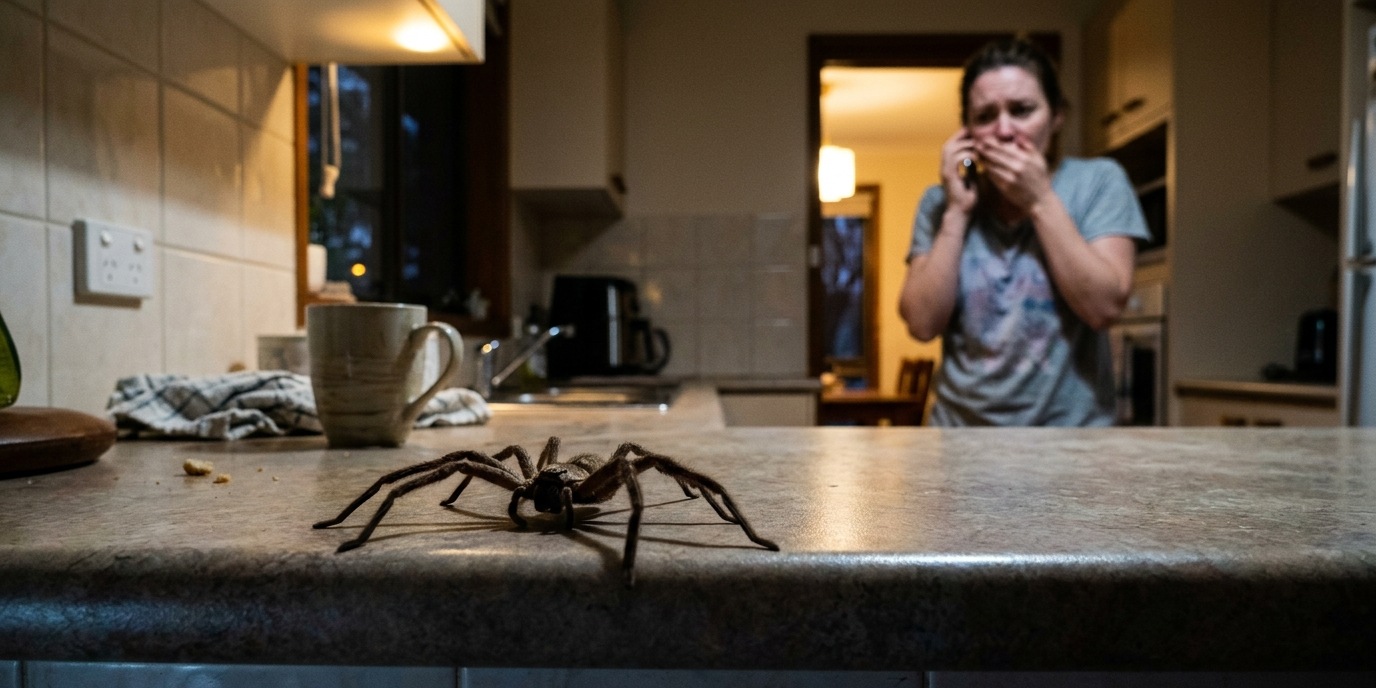
After-hours pest control calls in Australia average $580–$1,200 per emergency job (wasps, cockroach infestation, spider identification, rodent discovery). These calls peak on weekend evenings and public holidays — when pest encounters are discovered during social gatherings and home activity. Pest control businesses with AI after-hours handling capture these high-value emergency jobs; those without capture approximately 12%.
A homeowner discovers a large wasp nest above the back deck at 7pm on a Saturday. Guests are arriving in an hour. She's not waiting until Monday — she's calling every pest controller she can find right now. She'll pay whatever it costs to get this sorted tonight.
That's an $800 job. Which pest controller answers?
When pest control emergencies happen
Pest control after-hours calls are highly concentrated in predictable windows:
- Friday and Saturday evenings: wasp nest discoveries during outdoor activities
- Weekend mornings: cockroach and rodent discoveries during cleaning
- Sunday afternoons: pre-school-week stress drives pest concern calls
- Public holiday eves: homeowners preparing for gatherings discover issues
- Hot weather spikes: cockroach and spider activity increases trigger emergency calls
Frequently asked questions
How does AI triage pest control calls to determine what requires an emergency response?
CallSorted's pest control emergency triage distinguishes between: genuine emergencies requiring same-day response (aggressive wasp nests in high-traffic areas, snake encounters, severe cockroach or rodent infestations in food preparation areas), urgent-next-morning jobs, and routine scheduled inspections. The triage asks about pest type, location, and urgency indicators. Emergency jobs trigger an alert to the on-call technician; routine jobs are booked into the next available schedule.
Should pest control businesses charge after-hours emergency rates and how should AI communicate this?
Yes. After-hours premium pricing (typically 1.5–2× standard rate) is standard and accepted in pest control emergency situations. The AI discloses the after-hours rate early in the call: "Our Saturday evening emergency rate for wasp removal is $X — does that work for you?" Pre-qualifying on price prevents on-site pricing disputes and ensures you're dispatching to calls that will pay. Callers who decline the emergency rate can be offered a first-available weekday booking at standard pricing.
How do pest control businesses handle calls about potentially dangerous pests like snakes, funnel-web spiders, or redbacks?
Snake and dangerous spider calls are configured as high-priority emergency escalations in CallSorted. These calls receive an immediate alert to the on-call technician plus standard safety instructions for the caller (don't approach, keep pets and children away, monitor from a distance). Snake removal is a specialist skill requiring appropriate licensing — CallSorted can be configured to route these calls to licensed wildlife removalists if your business doesn't cover reptiles.
Don't sleep through $800 weekend callouts. Set up after-hours handling for your pest control business.