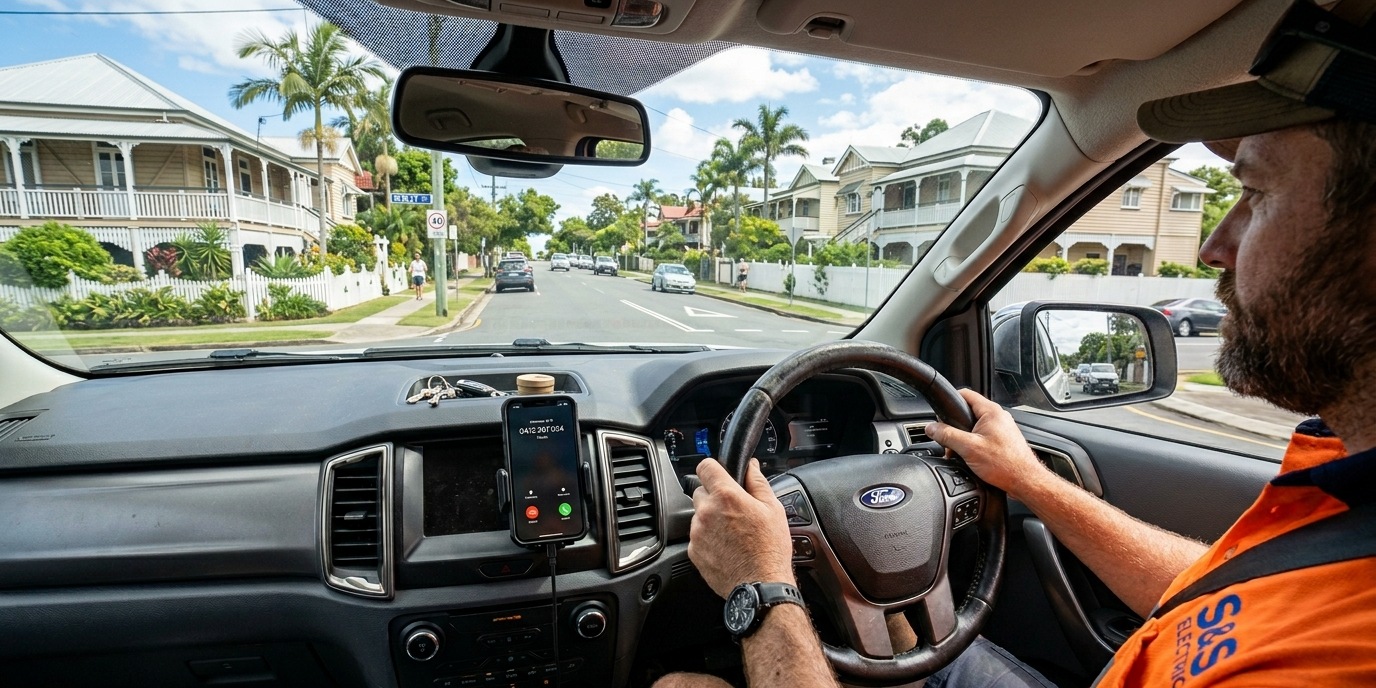
Mobile mechanic roadside calls have an average conversion value of $280–$620 per callout. These are distressed, urgent customers who will book whoever answers first — there's essentially no comparison shopping when your car won't start. Mobile mechanics miss approximately 35% of roadside calls due to being under vehicles. AI call handling captures 100% of these high-urgency leads while the mechanic works.
A mobile mechanic's biggest lead source is also their biggest challenge: the phone rings when they're literally under a car. The customer has a flat battery, a timing belt that just went, or a vehicle that won't start — and they need help now. They don't leave voicemails. They call the next number on Google before the first mechanic has even wiped their hands.
The roadside call urgency dynamic
Roadside breakdown calls are the highest-urgency inbound calls in the mobile mechanic category. The caller is stranded, stressed, potentially in a dangerous location, and will book whoever answers first at almost any reasonable price. This is not comparison shopping; it's emergency procurement.
The mobile mechanic who answers wins. Every time. Without exception.
Beyond roadside: pre-booked service calls
Mobile mechanics also receive calls from customers wanting to pre-book services — oil changes, brake checks, pre-purchase inspections. These are lower urgency but higher value in aggregate (a regular service customer is worth $800–$1,400 per year). Missing these calls while on-site with another customer is less dramatic than missing a roadside emergency — but just as costly over time.
AI call handling captures both categories: emergency roadside calls get an immediate alert to the mechanic who can make a quick decision to respond; pre-booked service calls are handled end-to-end with appointment confirmation, requiring no intervention.
Frequently asked questions
How does AI handle a roadside call when the mobile mechanic can't respond immediately?
When the mobile mechanic is genuinely unavailable (mid-service, long job), the AI captures the roadside details and gives a specific ETA: "Our mechanic is currently finishing a job nearby — he can be with you in approximately 45 minutes. Is that okay?" Many stranded motorists will wait 45 minutes for a confirmed arrival rather than call an unknown service and wait with uncertainty. If the mechanic is too far or unavailable, the AI can suggest NRMA or RAA as alternatives — this honesty builds trust even when you can't help.
What information should the AI capture for a roadside callout?
For a roadside callout: exact location (street address, landmark, what direction), vehicle make/model/year, what the vehicle is doing (or not doing), whether they're on a road or pulled over safely, and whether there are safety concerns (traffic, weather, time of day). With this information, you can estimate parts requirements, travel time, and job complexity before arriving. This preparation often means you have the right parts on the van before you leave, avoiding a return trip.
How does a mobile mechanic build a repeat customer base from emergency callouts?
Emergency callout customers have high lifetime value if converted correctly. After an emergency repair, a follow-up SMS from CallSorted 48 hours later — "Hope your vehicle's running well! If you need any routine servicing, we come to you" — converts emergency customers to regular service accounts at a high rate. These customers have already experienced your quality and reliability; they need only a prompt to book the next non-emergency service.
Answer every roadside call while you're under a car. Set up AI handling for your mobile mechanic business.