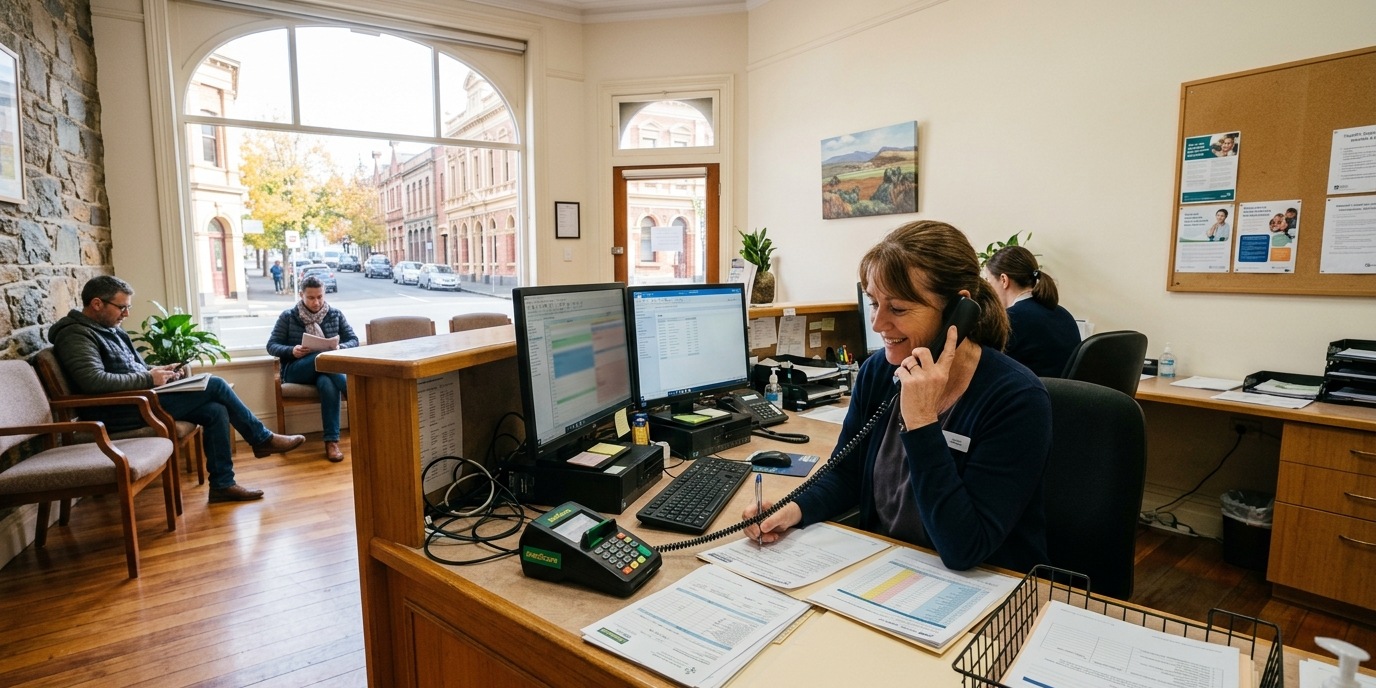
Australian GP and medical centres typically experience a 180–280% increase in inbound call volume during flu season (June–August). Practices handling 80 calls per day in April may receive 180–220 calls per day in July. Without additional call handling capacity, hold times exceed 8 minutes and abandonment rates reach 40–60%. AI call handling scales with volume — maintaining sub-60-second response times regardless of call surge.
Flu season arrives the same time every year. Every year, most medical centres are caught with the same staffing and phone infrastructure that works fine in March — and falls apart in July. The result: patients calling for urgent appointments get 10-minute hold times or busy signals. Some get through. Many call somewhere else or go to a hospital ED.
What flu season does to your call volume
The June–August flu season creates a predictable but extreme call surge:
- Flu vaccination enquiries and bookings (primarily May–June)
- Sick patient appointments (primarily July–August)
- Prescription requests for antivirals and symptom management
- Test result enquiries (COVID and influenza rapid tests)
- Telehealth requests from patients who don't want to come in while symptomatic
Each of these call types requires a different response, but they all arrive in the same phone queue — managed by the same number of reception staff who were sufficient in April.
How AI scales with flu season demand
Unlike human receptionists, AI handles simultaneous calls without hold times. Ten patients calling at 8:45am during flu season each reach the AI within 2 rings — no queue, no hold. Flu vaccination bookings are handled end-to-end by AI in under 2 minutes each. Sick patient appointments are triage-routed: urgent cases to same-day slots, non-urgent to the next available. Telehealth requests are handled with the telehealth booking workflow.
Your reception team handles the in-person surge and complex queries. AI handles the volume that would otherwise create the annual July phone breakdown.
Frequently asked questions
How far in advance should medical centres set up AI flu season call handling?
For Australian medical centres, late April is the ideal time to configure AI flu season handling — before the vaccination booking surge that starts in May. The configuration should include: flu vaccination booking workflow, flu clinic scheduling, telehealth booking for symptomatic patients, and triage questions for distinguishing flu from more urgent presentations. Having this in place before demand peaks means zero disruption during the surge itself.
Can the AI provide flu vaccination eligibility information to callers?
Yes. CallSorted can be configured with current National Immunisation Program eligibility criteria for funded flu vaccinations (eligible age groups, concession categories, high-risk conditions). Callers asking "do I qualify for a free flu shot?" receive accurate information and can book if eligible. Private flu vaccination bookings are handled separately with appropriate pricing information. This single capability typically reduces reception call time for flu vaccine enquiries by 60–70% during peak season.
What happens during flu season if the AI gets something medically wrong in a triage call?
CallSorted's medical configuration is conservative by design — when in doubt, escalate. Any presentation that doesn't fit clearly into "routine booking" or "standard flu symptom" categories triggers an immediate offer to speak with a nurse or to book an urgent appointment. The AI is not performing medical triage; it's screening for routing purposes. Clinical decisions remain entirely with your medical team. The configuration is reviewed with your practice manager before going live to ensure escalation thresholds are appropriate for your patient population.
Prepare your phones for flu season before it hits. Book a medical centre demo with our healthcare team.