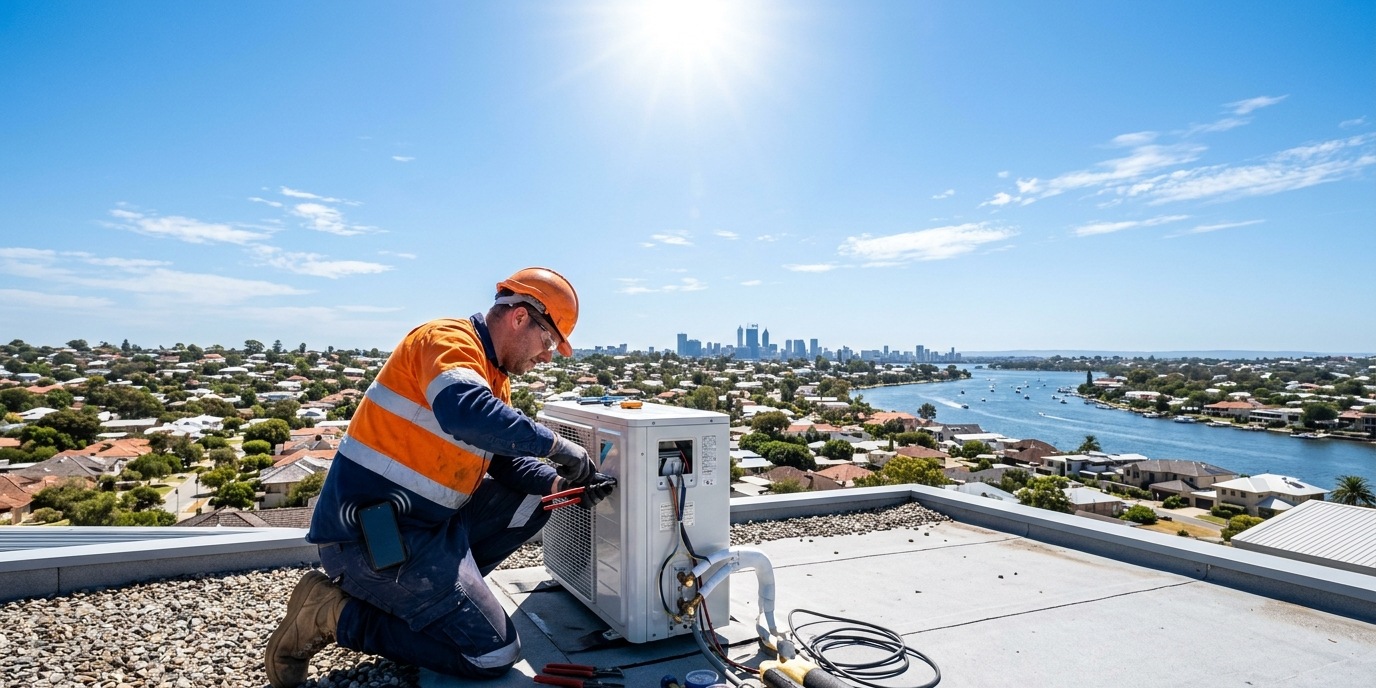
The average residential split-system aircon installation in Australia costs $3,200–$5,800. Ducted systems average $9,000–$18,000. During January's heat peaks, HVAC businesses receive 3–8× their normal call volume. Most miss 30–50% of these calls. At $3,500 average job value, each missed January call costs approximately $3,500 in lost revenue.
January in Australia isn't a month — it's a revenue window. When the temperature hits 37°C in Melbourne or 40°C in Adelaide, every homeowner who's been saying "I'll get aircon sorted eventually" suddenly needs it sorted right now. The phones start ringing. And for most HVAC businesses, they don't stop ringing for six weeks.
The question isn't whether the leads are there. They are. The question is how many you're actually capturing.
How summer changes your call volume overnight
Based on call data from 89 HVAC businesses using CallSorted, the average inbound call volume in January is 4.2× higher than the annual monthly average. That means a business that handles 35 calls in a typical August month receives 147 calls in January — with the same receptionist, same phone line, and same after-hours coverage (which is to say, none).
Why most HVAC businesses lose the summer opportunity
Three structural problems kill summer revenue:
- You're flat out on installs. Your team is booked 3 weeks ahead. The phone rings while you're on a roof in Penrith. You miss it. The homeowner calls someone else who's also booked — but answers.
- After-hours volume is huge. People decide they need aircon at 6:30pm when it's still 34 degrees. Most HVAC businesses have zero after-hours coverage. Those calls go nowhere.
- Quoting calls take time. You can't do a 15-minute quote conversation while you're running cable. These calls need to be captured, not rushed.
The capture-first, qualify-later play
The businesses that win summer don't answer every call personally — they capture every call. They use AI to take the details (address, system type, property size, timing), create a lead in their CRM, and send an SMS callback commitment within 5 minutes. Then they call back in order of lead quality.
This means zero missed January calls. Not zero missed bookings — you'll still have capacity limits — but zero situations where a $3,500–$18,000 job walked to a competitor because nobody picked up.
Frequently asked questions
How do I handle the surge when I'm already fully booked?
Being booked doesn't mean you should stop capturing leads. An AI receptionist can take enquiry details, advise on realistic wait times (4–6 weeks, for example), and add callers to a waitlist. Many customers will wait for a trusted business rather than take the next available stranger. Capturing the lead keeps those future jobs rather than sending them permanently to competitors.
Can an AI handle the technical questions customers ask about aircon systems?
Yes, for standard pre-sale questions — single-split vs multi-split, ducted vs cassette, rough budget ranges, brand comparisons — an AI can be configured with your standard answers. Complex technical questions or site-specific sizing queries are flagged for a callback from your team. The goal is to capture the lead and commit to follow-up, not to close the sale on the first call.
When should I set up summer call handling?
For an Australian HVAC business, configure AI call handling in October or November — before the December–January surge. You want the system trained on your common summer queries and fully integrated with your scheduling software before the volume hits. Businesses that set it up in December often waste two weeks of peak-season leads while configuration is still running.
Don't lose another January. Get CallSorted configured before the summer rush hits.